
The market has historically approached revenue through fragmented categories.
RPM bridges these two worlds, reducing the administrative burden while maintaining finance-grade governance.
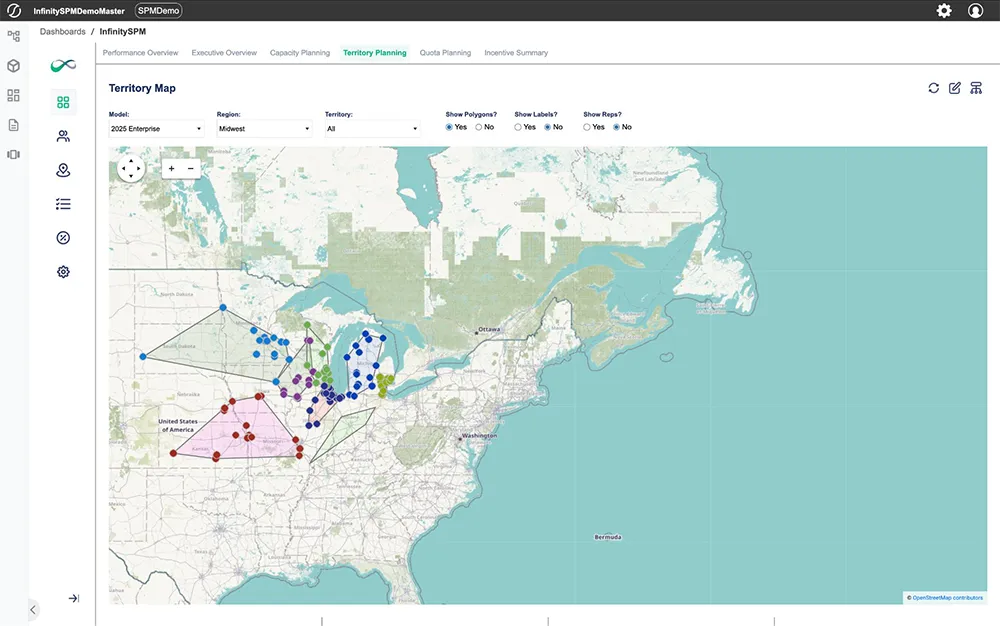
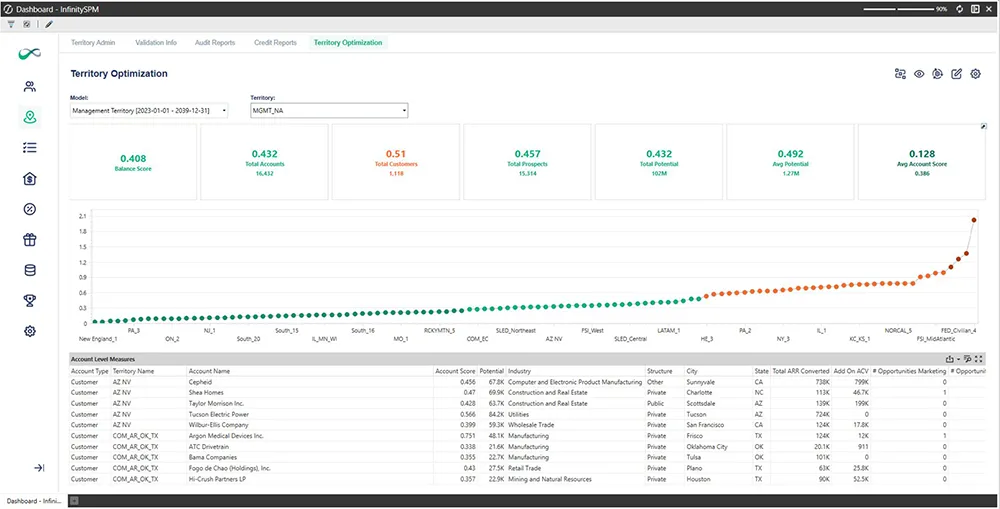
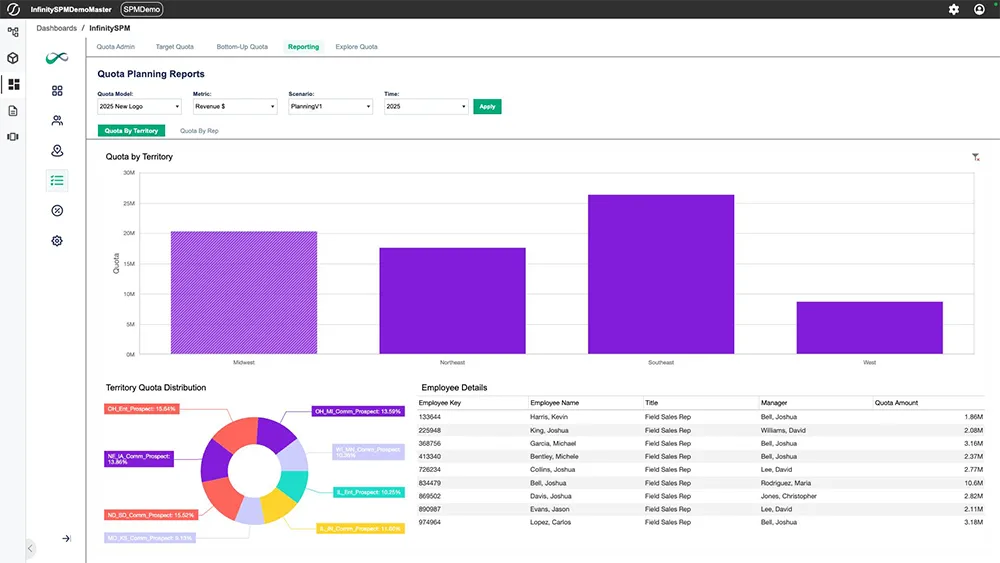
True Revenue Performance Management moves an organization from isolated planning to a complete, continuous operating cycle. This cycle is built on four core capabilities that share the same governed assumptions and business rules.
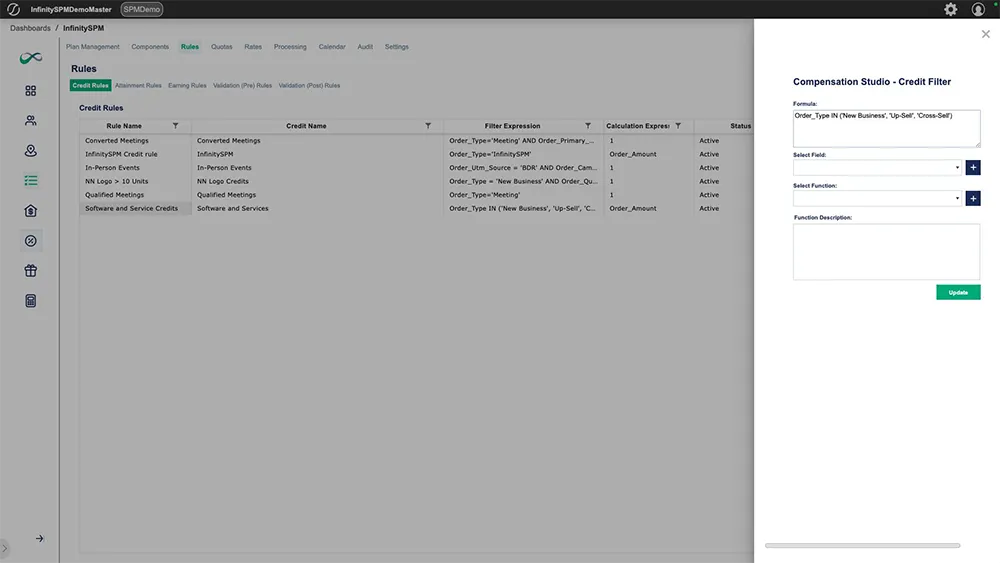
Incentives are the engine that drives execution. Under RPM, compensation is not a standalone administrative task; it is deeply linked to the planning model. (Learn more about setting up these structures in our Intro to Incentive Compensation Management).
As organizations evaluate how to fix their revenue operations, it is vital to distinguish between basic table stakes and true RPM capabilities.
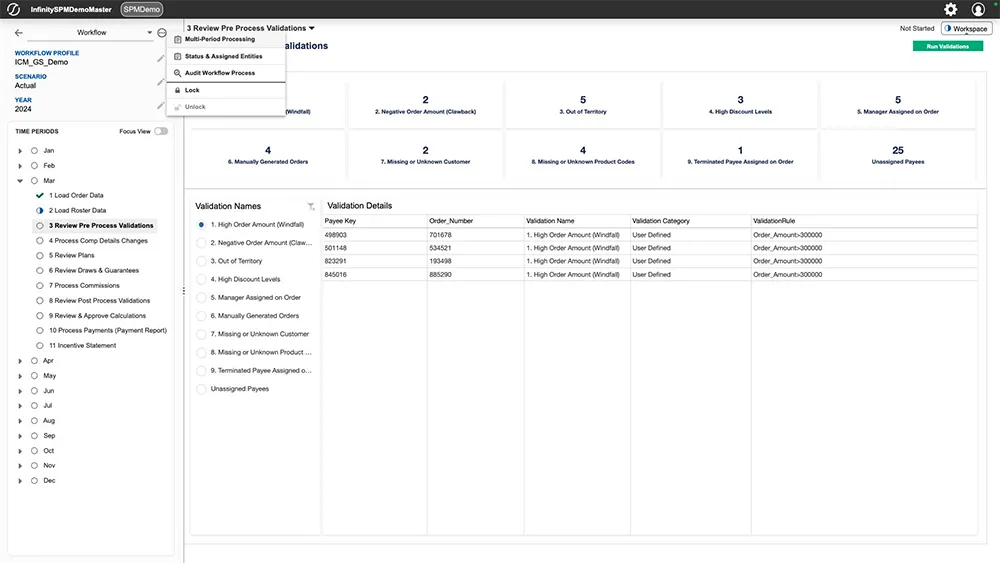
The transition to Revenue Performance Management represents a fundamental shift in how enterprise and mid-market businesses operate. It is not simply about upgrading a commission calculator or deploying a new quota-setting spreadsheet. It is about fundamentally tying commercial decisions to business outcomes with unwavering rigor, visibility, and mutual accountability, in a unified way across the organization.
By unifying planning, execution, incentives, and insights onto a single, governed platform, organizations can finally tear down the silos between Finance and Go-To-Market teams. Doing so not only removes the Revenue Blind Spot but establishes the trusted, clean data foundation required to lead in an AI-driven future.
Get in touch today to unlock the full potential of your sales performance management with the infinitySPM Solution.